Frequently asked questions
What qualifications are needed to become a brain neurosurgeon?
To become a brain neurosurgeon, one must complete a bachelor's degree, medical school, and a residency program in neurosurgery. Additionally, most neurosurgeons complete a fellowship in a subspecialty such as pediatric neurosurgery or spine surgery. It is also important to obtain a medical license, pass the United States Medical Licensing Examination (USMLE), and gain board certification from the American Board of Neurological Surgery. Continuing education and ongoing training are essential for brain neurosurgeons to stay current with the latest advancements in the field.
How do I choose the right brain neurosurgeon in Sydney for my condition?
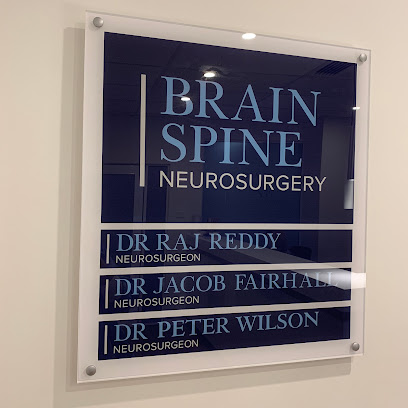
When selecting a brain neurosurgeon in Sydney, consider their experience, expertise, and outcomes related to your specific condition. Look for a surgeon who specializes in the type of surgery you require, whether it's for a brain tumor, aneurysm, or spinal cord injury. Ask for referrals from your primary care physician or other healthcare providers, and research the surgeon's credentials online. Read reviews from former patients and evaluate the surgeon's communication style and bedside manner during your initial consultation. Ultimately, trust your instincts and choose a brain neurosurgeon who makes you feel comfortable and confident in their abilities to provide the best possible care.
What are the most common brain conditions treated by neurosurgeons in Sydney?
Some of the most common brain conditions treated by neurosurgeons in Sydney include: Neurosurgeons in Sydney also treat a wide range of traumatic brain injuries, spinal cord injuries, and degenerative diseases of the spine, such as herniated discs and spinal stenosis. If you are experiencing symptoms of a brain condition, it is important to seek prompt medical attention from a qualified brain neurosurgeon in Sydney for proper diagnosis and treatment. Brain tumors. Cerebrovascular disorders (aneurysms, arteriovenous malformations). Stroke. Epilepsy.
What can I expect during a consultation with a brain neurosurgeon in Sydney?
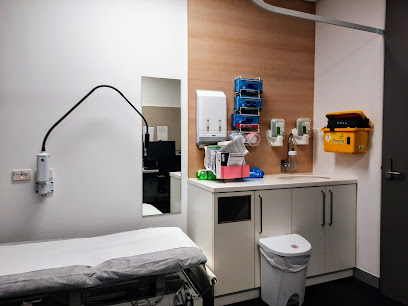
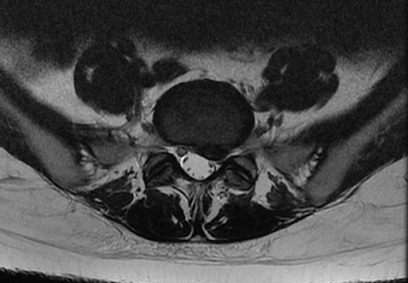
During a consultation with a brain neurosurgeon in Sydney, you can expect the following: The neurosurgeon will discuss your diagnosis, treatment options, and potential risks and benefits of surgery. They will also answer any questions you may have and provide you with resources to help you make an informed decision about your care. It is important to be honest and open with your neurosurgeon during the consultation to ensure the best possible outcome for your brain condition. A thorough review of your medical history and symptoms. A physical examination focusing on neurological function. Diagnostic tests such as MRI, CT scans, and X-rays.
 #1
#1